
Why Your Windows Drip With Condensation Every Ballarat Winter (and How to Stop It)
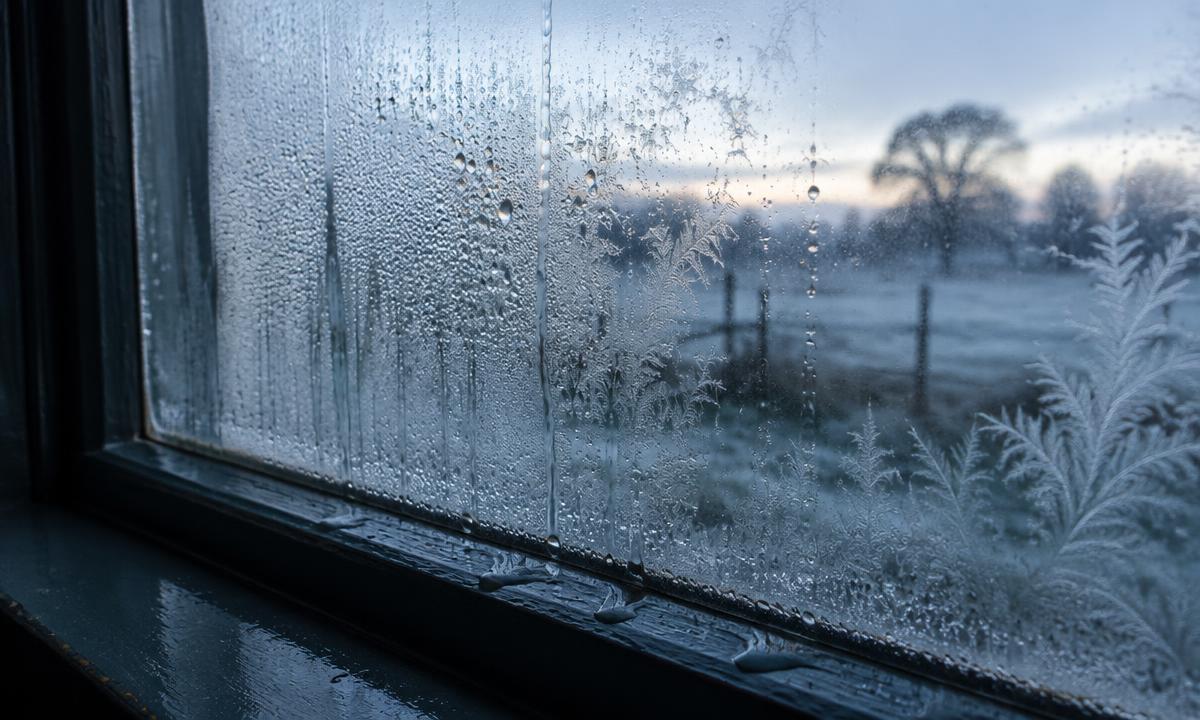
If you live in Ballarat, you probably know the routine. You pull back the curtains on a July morning and the glass is streaming with water. The sill is wet, the bottom of the curtains feels damp, and there's a grey-black line of mould creeping along the rubber seal. You wipe it down, and by tomorrow it's back.
It's one of the most common things we hear from local homeowners, and the good news is that it isn't a mystery. Once you understand what's happening, you can do something about it.
What condensation actually is
Air inside your home holds water vapour. It comes from everyday living: showers, cooking, boiling the kettle, drying clothes inside, unflued gas heaters, pot plants and even breathing while you sleep. A family home can put a surprising amount of moisture into the air each day.
Warm air can hold more moisture than cold air. When that warm, moist air touches a cold surface, it cools down quickly and can't hold all of its water any more. The extra moisture turns back into liquid on the surface. That's condensation.
In a Ballarat winter, the coldest surface in most rooms is the window glass. On a frosty morning, the outside of the glass can be close to freezing. A single pane of glass is only a few millimetres thick, so the inside surface ends up nearly as cold as the outside. Your warm, damp indoor air meets that cold pane, and the water appears.
Why Ballarat homes get it so badly
A few local factors stack up:
- Long, cold winters. Ballarat sits high on the plateau and gets plenty of frosty nights, so the glass stays cold for months, not weeks.
- Older housing stock. Many homes around Ballarat Central, Soldiers Hill, Black Hill and Wendouree still have their original single-glazed timber windows.
- Closed-up houses. When it's cold, we understandably keep doors and windows shut, which traps moisture inside.
- Heating choices. Some heaters add moisture to the air, and heating a room then letting it cool overnight makes condensation worse by morning.
Why it's worth fixing
A bit of fog on the glass might seem harmless, but daily condensation over a whole winter adds up:
- Mould. Wet seals, sills and window reveals are the perfect place for mould to grow, and it often spreads onto curtains and nearby walls.
- Timber damage. Water sitting on timber sills and frames year after year leads to peeling paint, swelling and eventually rot.
- Comfort. Rooms with cold, wet windows simply feel colder and damper, even when the heater is on.
Simple things you can do today
Before spending any money, these habits genuinely help:
- Use your exhaust fans. Run the bathroom fan during and after showers, and the rangehood whenever you cook. Make sure they vent outside, not just into the roof space.
- Air the house briefly. Opening a couple of windows for ten minutes in the middle of the day lets damp air out. It feels counterintuitive in winter, but it makes a difference.
- Dry clothes outside or in a vented dryer. A rack of wet washing inside can add a lot of moisture to a room.
- Wipe the glass in the morning. A squeegee or microfibre cloth stops water soaking into sills and seals.
- Keep curtains slightly off the glass. Heavy curtains pressed against the window trap cold, damp air against the pane.
The longer-term fix: warmer glass
Ventilation reduces the amount of moisture in the air, but the root of the problem is a cold window surface. The most effective long-term fix is to make the inside of the glass warmer, and that's exactly what double glazing does.
A double-glazed unit has two panes of glass with a sealed gap between them. That gap slows down heat moving through the window, so the inside pane stays much closer to the temperature of the room. Warmer glass means far less condensation forming in the first place.
There are two ways to get there:
- Retrofit double glazing, where we fit double-glazed glass into your existing frames. This works well when the frames are still sound.
- Full window replacement, where old or rotted windows are removed and new double-glazed aluminium windows are installed.
Which one suits depends on the condition of your current frames. We'll look at every window during a free measure and tell you honestly what we'd recommend.
A realistic expectation
Double glazing makes a big improvement for most homes, but it works best alongside good ventilation. If a house has a lot of moisture inside, for example from an unflued heater or a bathroom with no fan, you may still see some condensation on very cold mornings. Tackling both the glass and the moisture together gives the best result.
Ready to stop wiping your windows every morning?
If you're tired of wet sills and mouldy seals, we'd be happy to come and have a look. We service Ballarat and surrounds, plus Ararat and Stawell, and the measure and quote are free.